This is an archived event
Sunday, 25 January 2026
6:00 PM
Dominican Monastery, Chapter Room,
12 Stolarska Street, Krakow
Price 50 PLN
Buy 2 and get 1 free until the end of 2025
Media Patronage



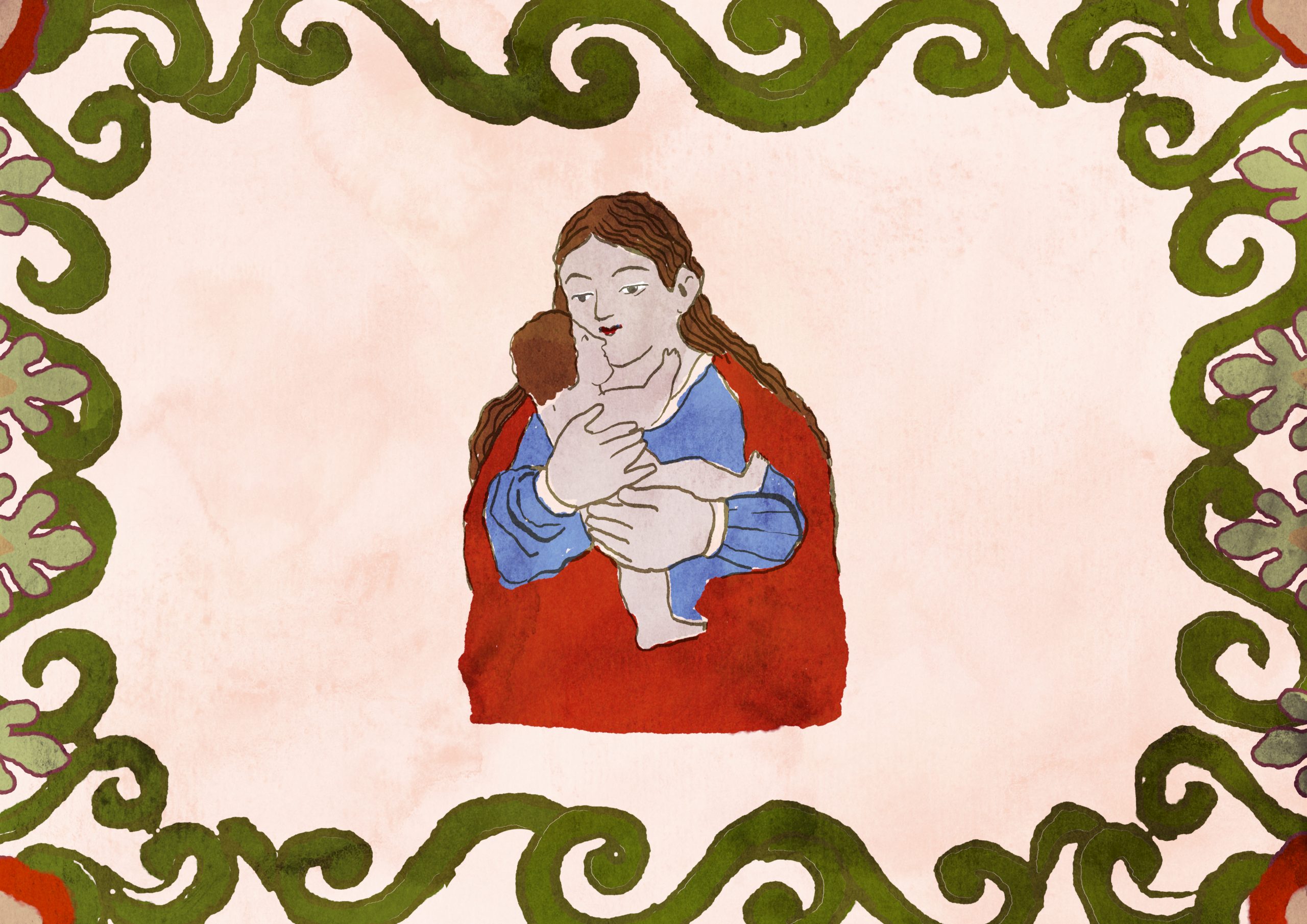
From the stark archaism of medieval Spain to baroque Mexico, where African slaves celebrate the birth of Christ by singing and dancing their negrillas. The trip continues towards Southamerica where, between the Andes and the Pacific Ocean, the nativepeoples of Peru ask their lords for permission to celebrate Christmas Eve with songs and dances in their own local style. An Inca maiden adores her child in Spanish tinged with Quechua accents. The itinerary then moves southward and into the present day, where the Child is cradled to the sound of a vidala, while angels, shepherds, and kings celebrate his birth with carnival dances.
Ay, Jesús mi niño! seeks to recreate – through music – the popular piety of the Hispanic world. In the spirit of the processions of Spanish America, we have curated a program in which the sacred and the profane, the past and the present, servants and lords, merge into a single voice to revere, with ecstatic joy, the inexhaustible mystery by which He who holds the world in the palm of his hand chose to be carried in the arms of a mother.
Venue
Dominican Monastery, Chapter Room,
12 Stolarska Street, Krakow
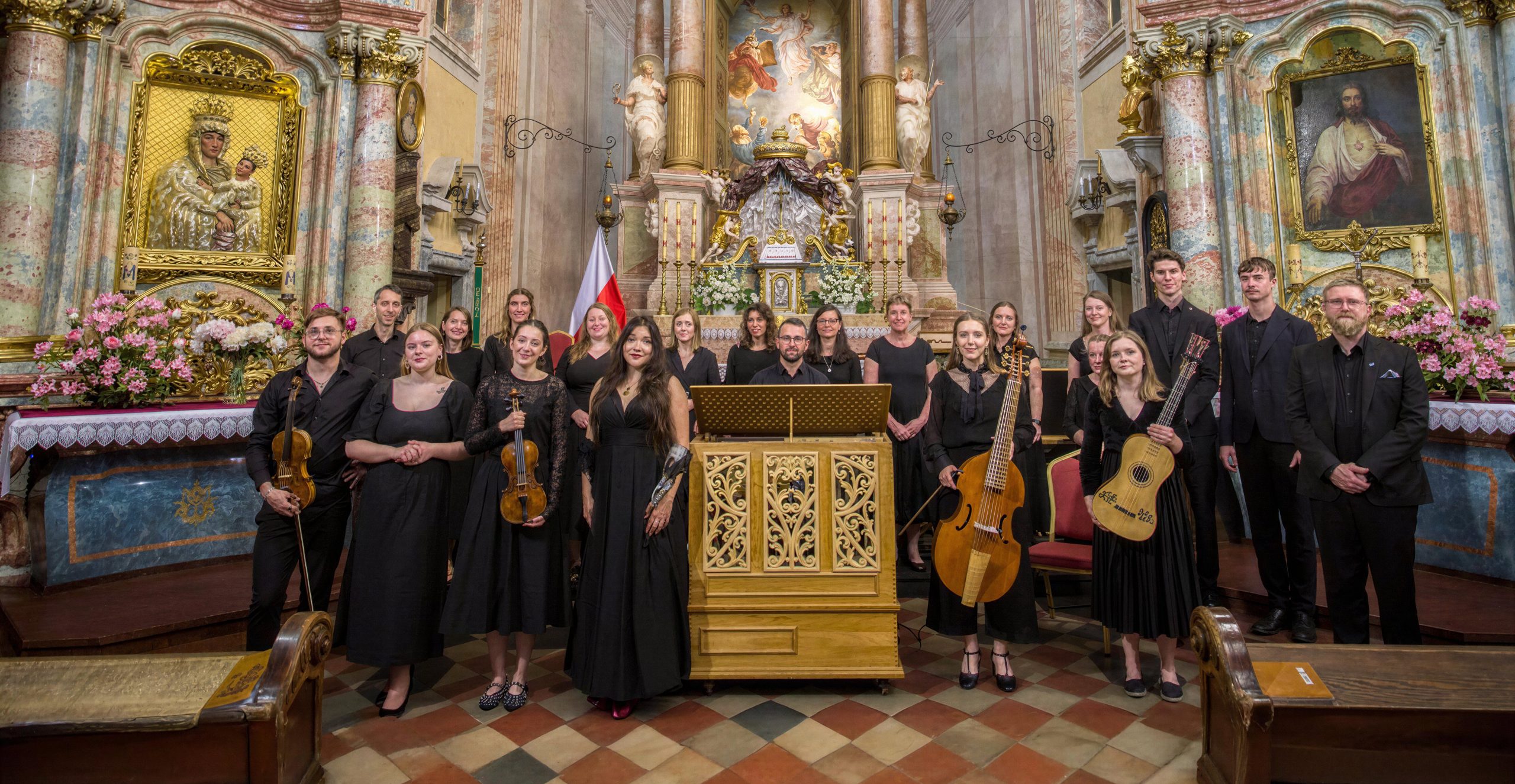
Performed by
Capilla del Nuevo Mundo
- Soprano: Zuzanna Hwang-Cempla
- Alt: Dorota Strączek
- Tenor I: Bartłomiej Chorąży
- Tenor II: José Vidal
- Bass: Maciej Cetnarski
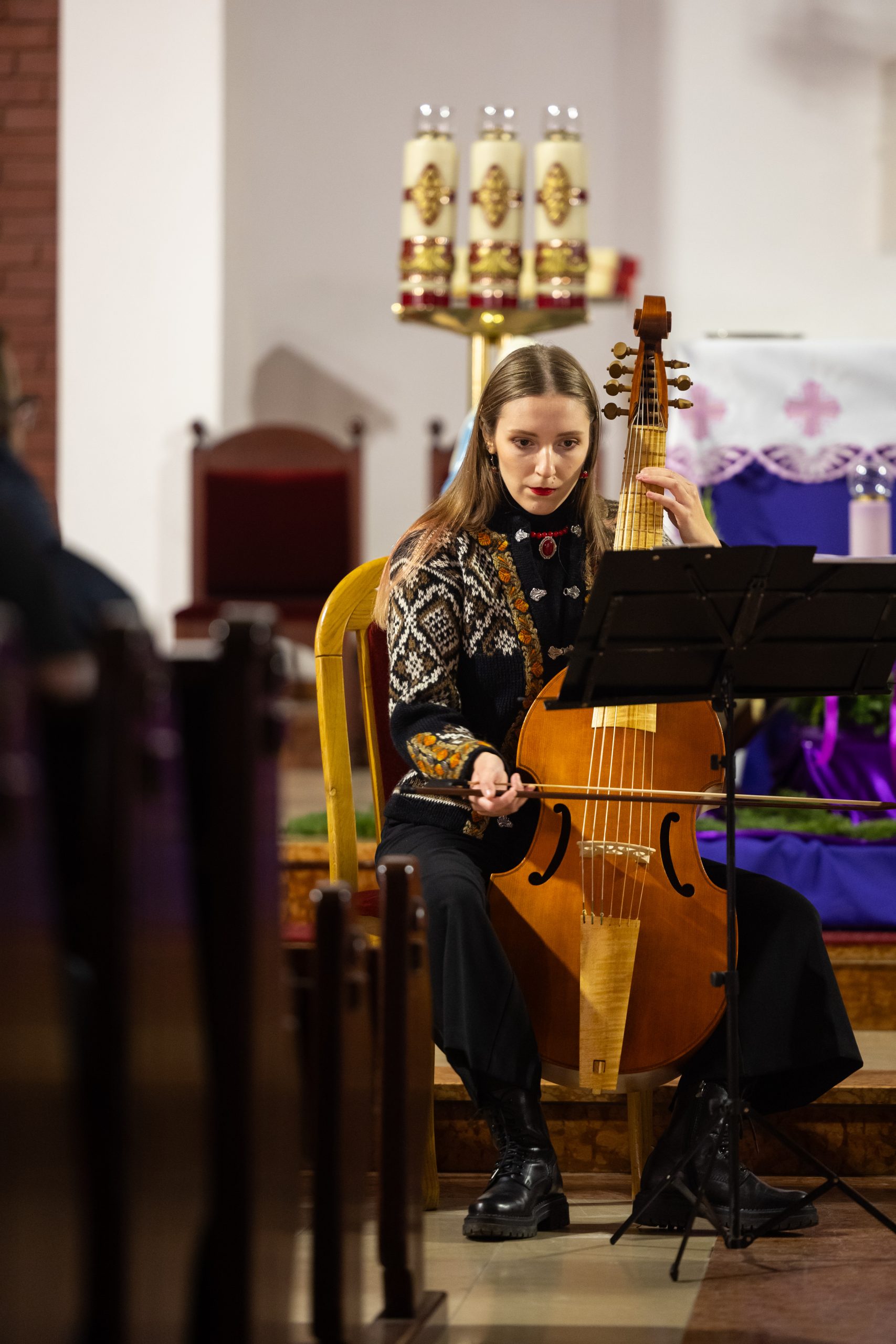
- Viola da Gamba: Karina Krychun
- Baroque Guitar: Maria Korzeniowska
Choir
Sikuris w Krakowie
Authentic instruments from South America (Dir. Arturo Terrazas)
General direction
- José Vidal
Programme
Spain (c. 14th–16th Century)
- Virgo virginum – Codex Las Huelgas
- Cancionero de Upsala
- Yo me soy la morenica
- Riu riu chiu
Mexico (c. 17th–18th Century)
- Christus natus est – Gutiérrez de Padilla
- Oye niño hermoso – Gutiérrez de Padilla
- Por selebrar este día – Juan de Vaeza Saavedra
- Tarara que yo soy anton – Antonio de Salazar
Peru (c. 18th Century)
- Codex Martínez Compañón
- Cachua a Duo y a Quatro al Nacimiento de Christo Nuestro Señor
- Cachua a voz y bajo al nacimiento de Christo Nuestro Señor
Bolivia–Argentina (c. 20th Century)
- Canto de Cuna indio – José Alberto Sutti
- Misa Criolla and Navidad Nuestra – Ariel Ramírez
- El Nacimiento (Vidala Catamarqueña)
- Los Reyes Magos (Takirari)
- Gloria (Carnavalito-Yaravi)

Portfolio
¡Al Candido Velo!
Missa San Ignacio